
High-performance RF and microwave components, instruments, and software for advanced research and defense applications.
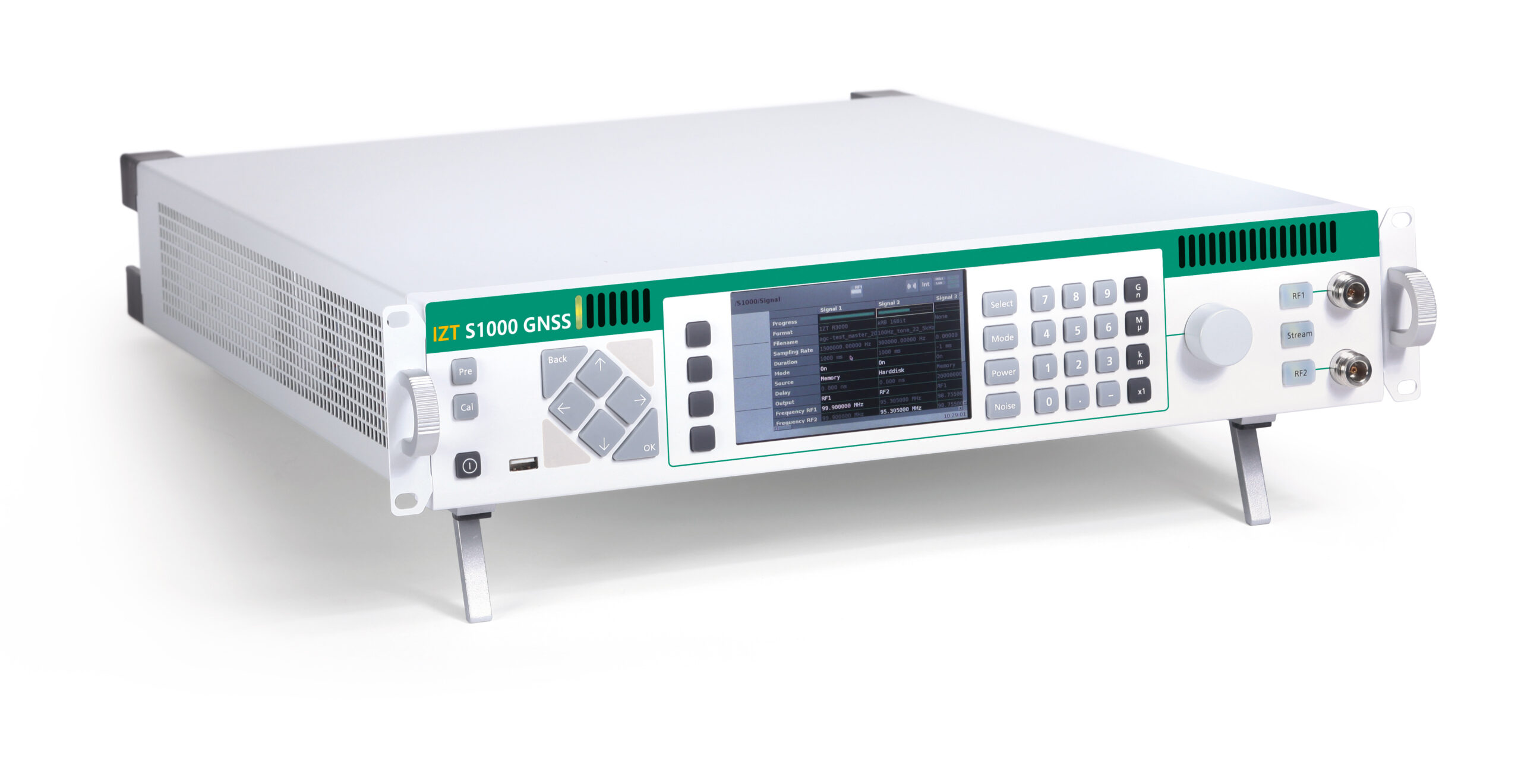
IZT S1000 and IZT S1010 are multi-channel signal generators for testing I/Q data, Sirius, XM, HD Radio, AM, FM, DAB/+ and more.
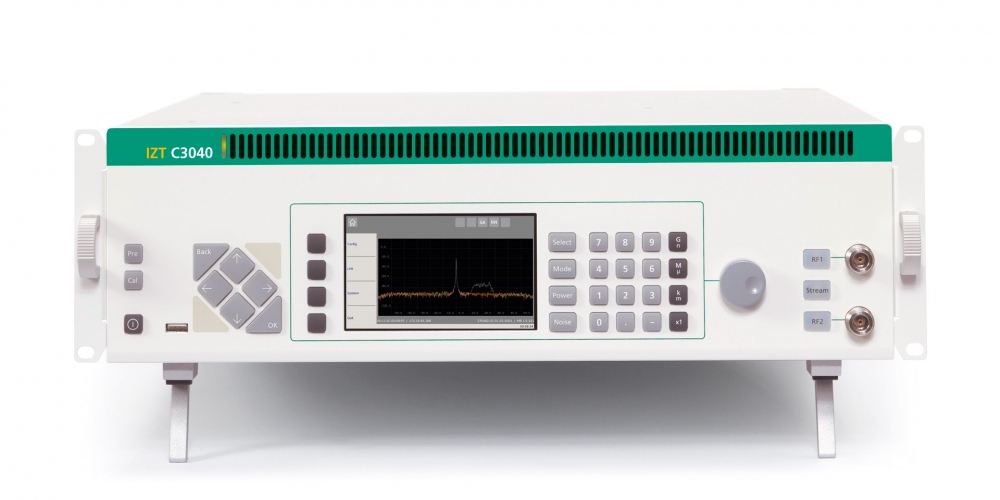
The IZT C3040 Satellite Link Emulator provides a cost-effective, time-saving total solution with exceptional functionality for satellite and aircraft RF link testing.
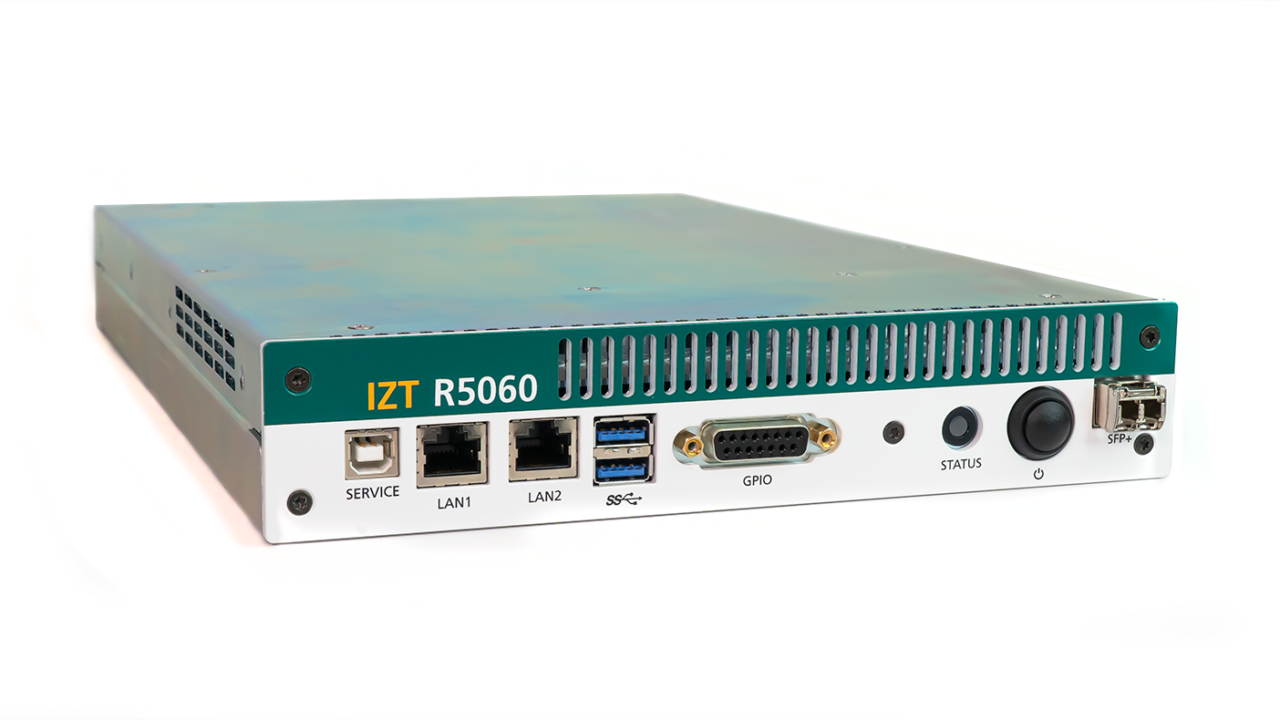
IZT R5060 is latest IZT’s generation monitoring receiver in a compact form factor. It has a precise frequency range from 9 kHz up to 6 GHz and an instantaneous bandwidth of 60 MHz. The IZT R5060 is a medium performance monitoring wideband receiver: It is designed for cost-efficient applications that require large bandwidths and low power consumption.
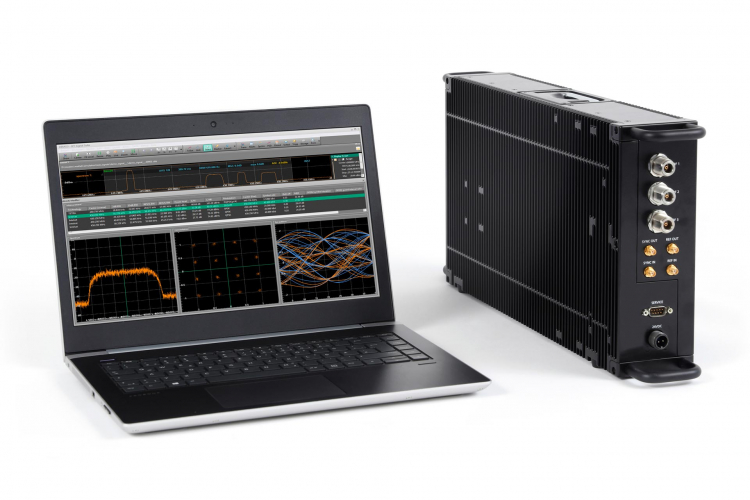
IZT R3410 / IZT R3411 is a portable receiver optimized for recording RF signals in mobile and portable applications up to 25 MHz bandwidth.
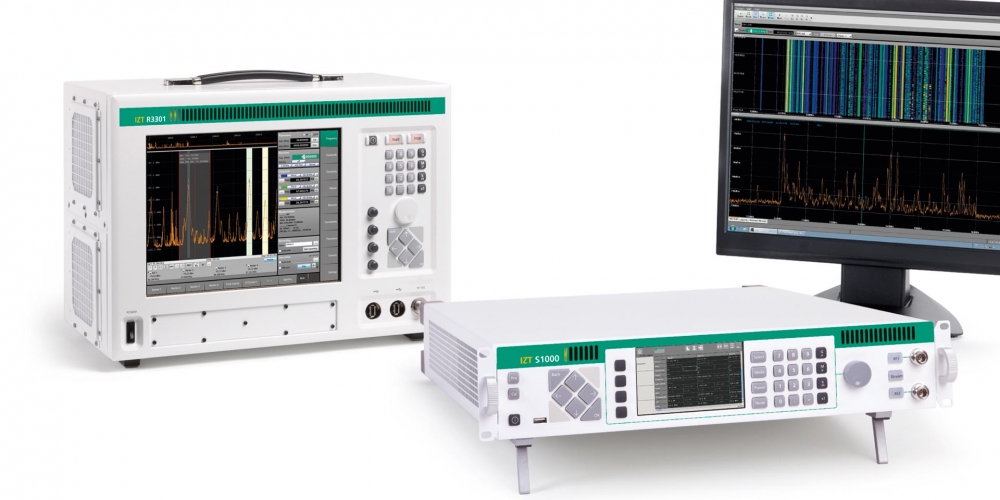
IZT RecPlay is a full featured RF recording and replay system supporting up to 25 MHz bandwidth from 9 kHz to 3 GHz.
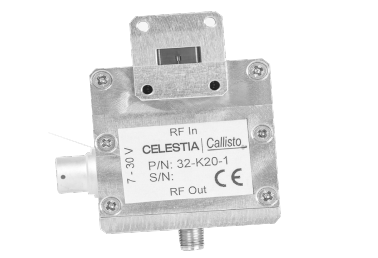
Very low noise K-band LNA covering 18.2–21.2 GHz with noise figure < 1.66 dB.
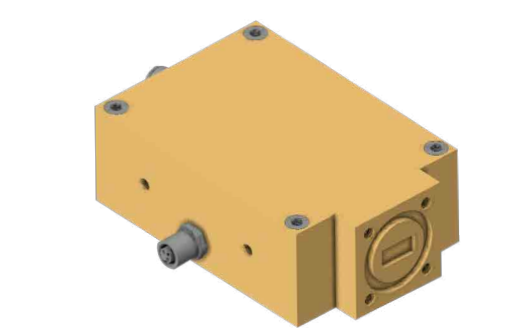
Compact Ka-band LNA covering 25.5–27 GHz with noise figure < 1.56 dB.
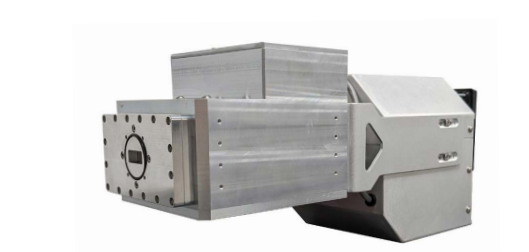
Compact cryogenic LNA with noise temperature < 35 K for deep space applications.

Cryogenic Ka-band LNA covering 31.8–32.3 GHz.

X-band cryogenic LNA covering 7.25–8.5 GHz with ultra-low noise.Singel or dual channel, Satcom and radioastronomy applications, Superior performance, High reliability & efficiency, Ultra-low noise figure, High gain & low ripple, Low input & output VSWR, Compact size & lightweight, Wide operating temperature range, Redundant configurations (1:1, 1:2, N:1)
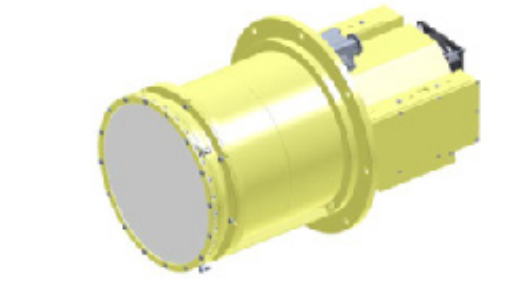
State-of-the-art technology provides a very low noise figure over 12 GHz, The feed is included(caTech's QRFH design) but it is lodged inside the dewar to be cooled ad well. Operating freq. range 2.3 – 14 GHz, Noise temperature < 40 K, Noise figure < 0.56 dB, Input VSWR < 2.0:1, Output VSWR (50 Ω) < 1.9:1 (with output isolator), Gain >55 dB, Gain flatness 10 dB pp min, 14 dB typical, Gain variation over temp. ±1.5 dB, Output P1dB +20 dBm
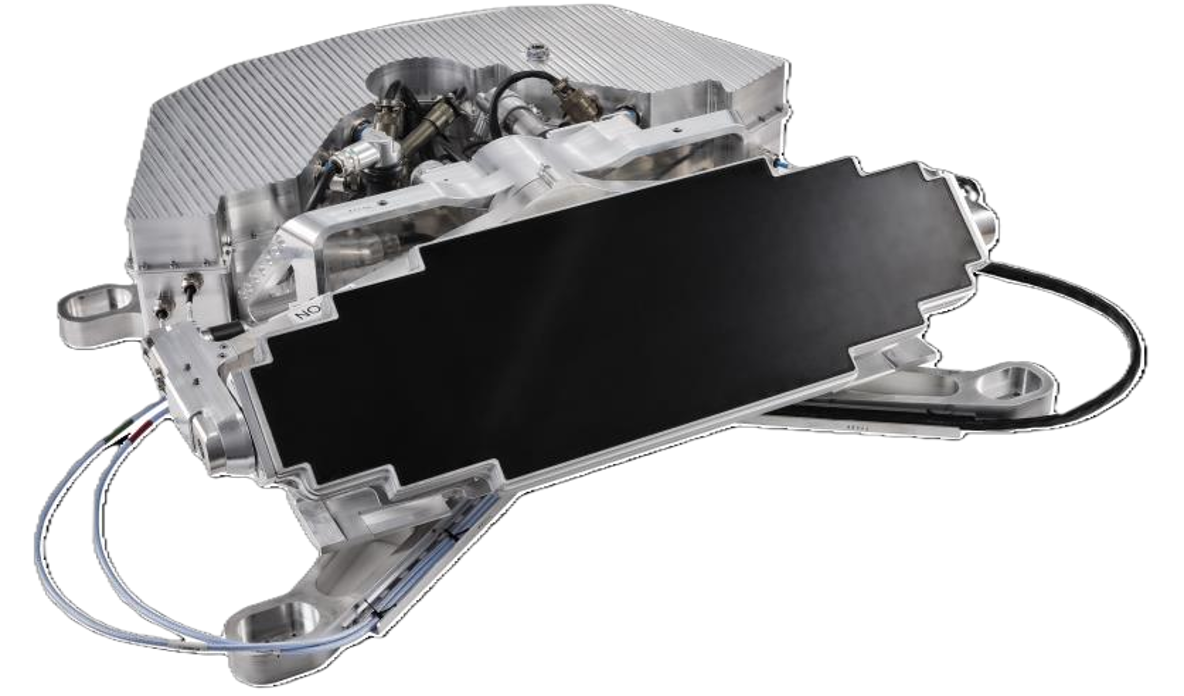
Characteristic: The first true 3 axes antenna system on the market. Customer benefits: Maximization of transmit and receive data throughput for equatorial flight scenarios. Parameter Specification-Frequency TX: 13.75 GHz to 14.50 GHz, Rx: 10.70 GHz to 12.75 GHz, G/T 12.6 dB/K min, EIRP 42 dBW typ, Polarization H/V, Weight max. 42.86 kg [94.5 lbs], Size Ø: 916.2 mm [36.07 in] / H: 250.44 mm [9.86 in], Power typ. 27 W - max. 140 W
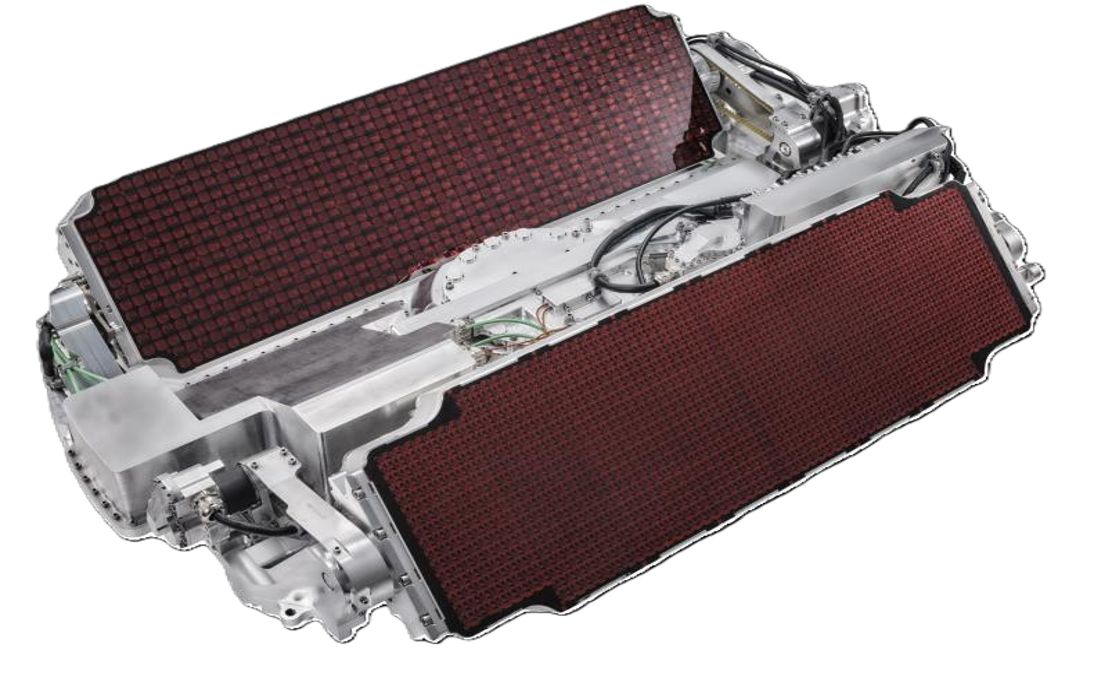
Ka-Band Dual Panel Satellite Antenna System Characteristic: LEO/GEO capable with highest possible performance due to dual panel technology with integrated BUC/BDC. Customer benefits: highest performance in SAA system class. Frequency : TX: 27.5 GHz to 30 GHz, Rx: 17.7 GHz to 20.2 GHz, G/T : 18.0 dB/K max. > 20° elevation > 14.0 dB/K min. Polarization : Circular switchable EIRP : 47.5dbw max @ MOP
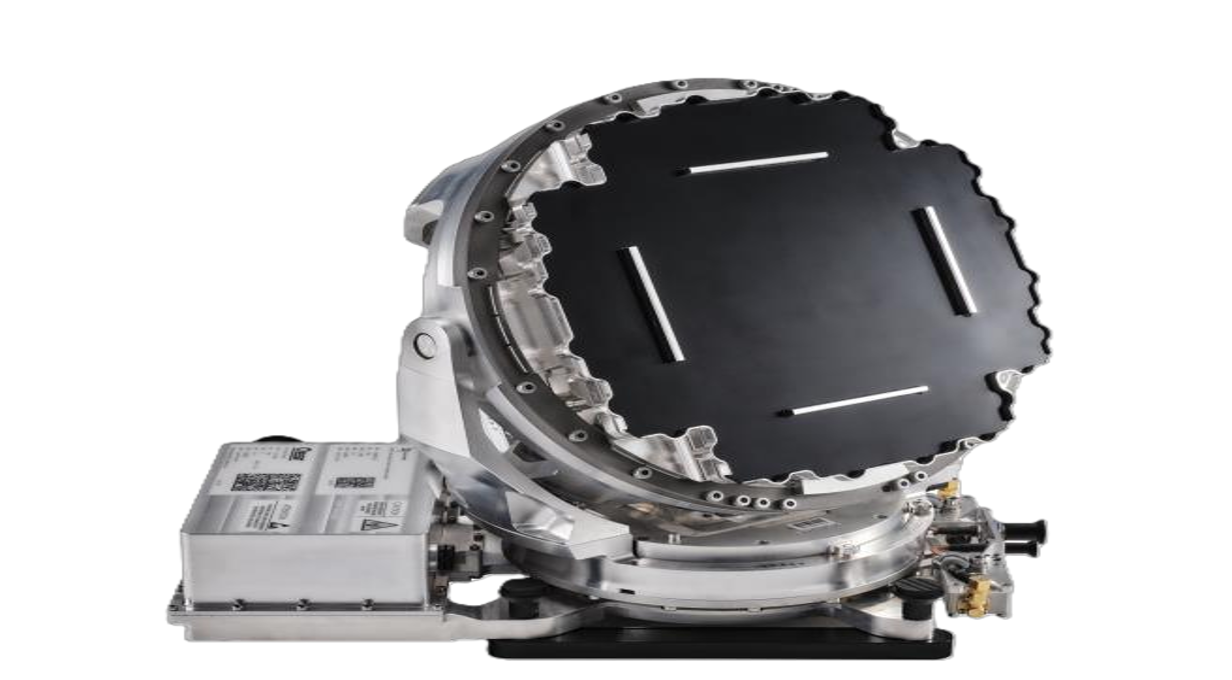
Ku-Band compact Antenna System Characteristic: Advanced compact antenna system configuration, with integrated BUC/BDC. Customer benefits: Simple installation and integration. highly reliable satcom system for mid to large Business or Military Aircraft. Frequency : TX: 13.75 GHz to 14.50 GHz, Rx: 10.70 GHz to 12.70 GHz, G/T : 10.5 dB/K min @10.7 GHz ground level. Polarization : H/V EIRP :>42 dbw max @ MOP
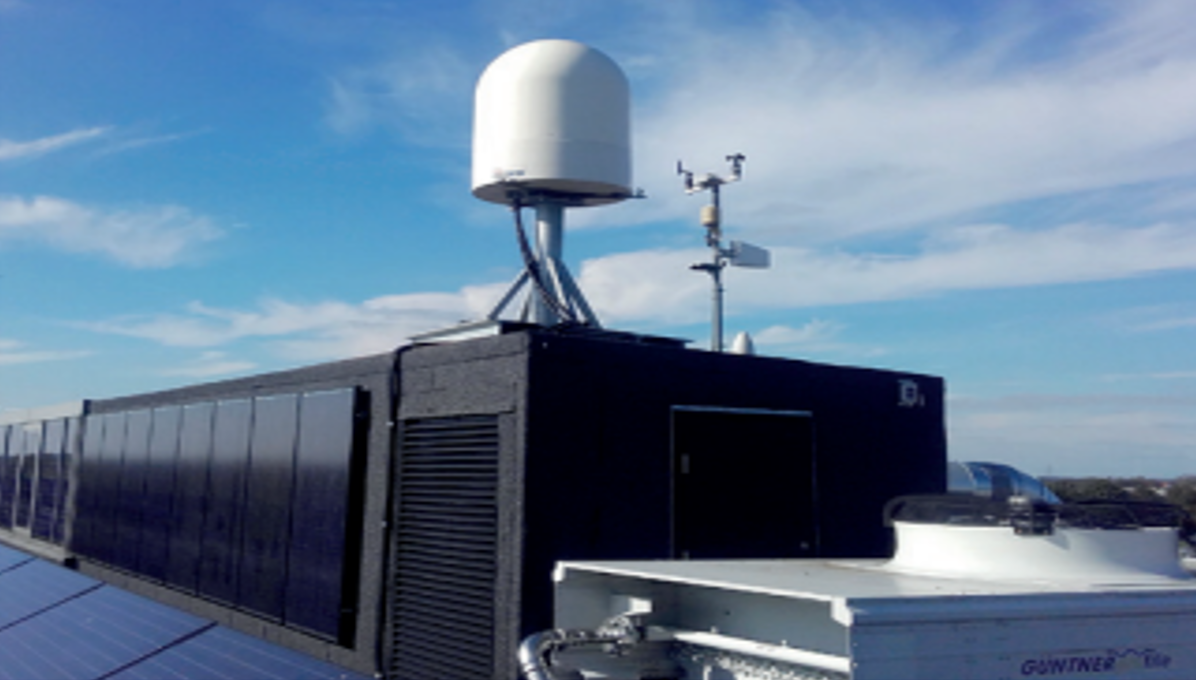
The WR-10X is a valuable tool for real-time monitoring of weather phenomena in areas with complex topography. It can be used advantageously at both urban and regional levels, or as a gap filler for an existing network. A mobile version can be deployed quickly in situations where meteorological alerts arise in areas with significant hydrological risks, becoming an important tool for civil protection emergencies.
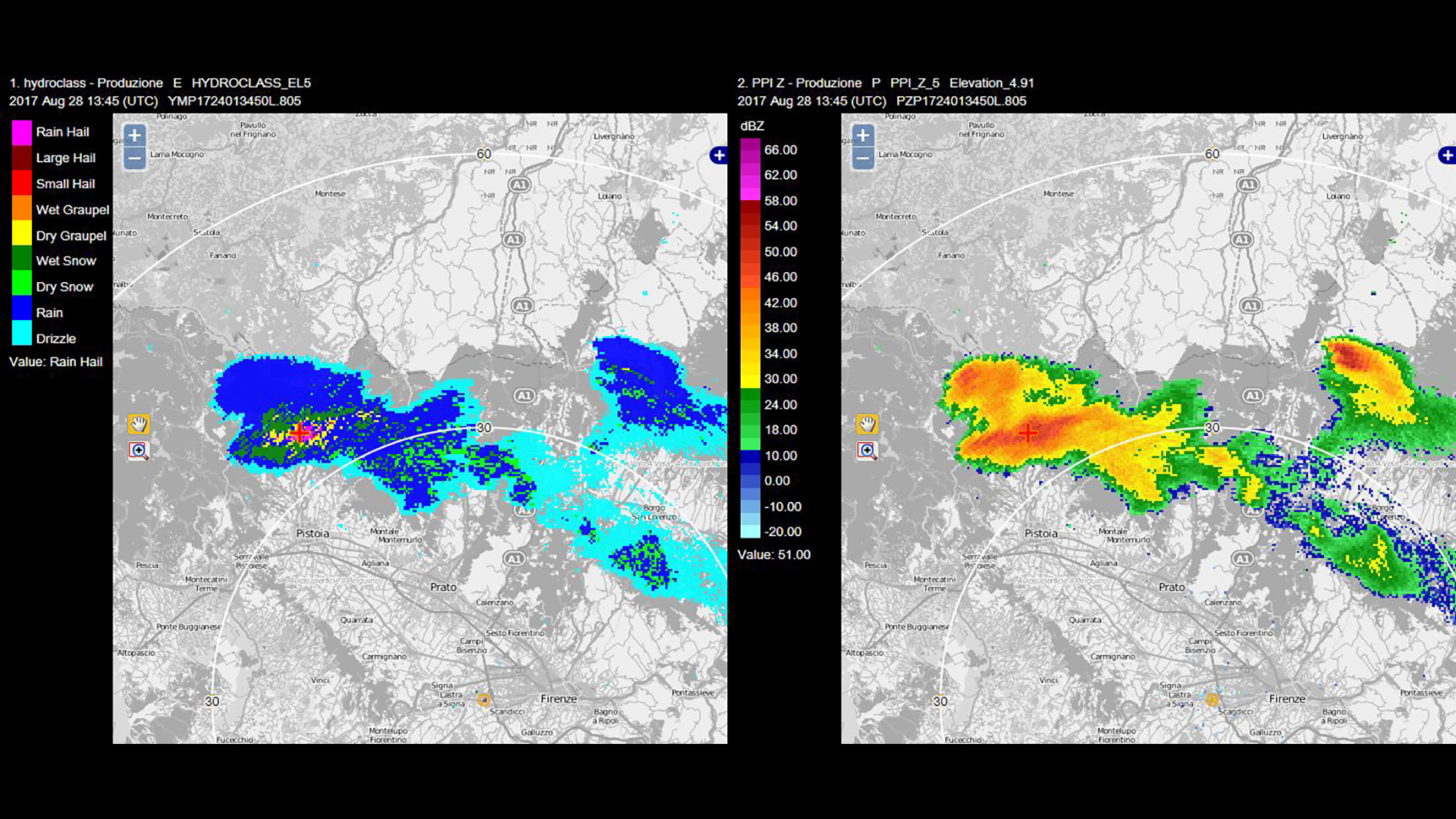
METRANET II RDP is a SW suite, running under a Linux based workstation networked with the ELDES signal and control processor “PERSER-PC” and with any number of Web client workstations, which share the RDP database and accept the RDP products distribution stream.METRANET II allows the ingest of the local or foreign radar polar moments in ELDES format (customized ingest routines can be designed for third parties radar), the data distribution, the pre and post processing functions and the product generation.
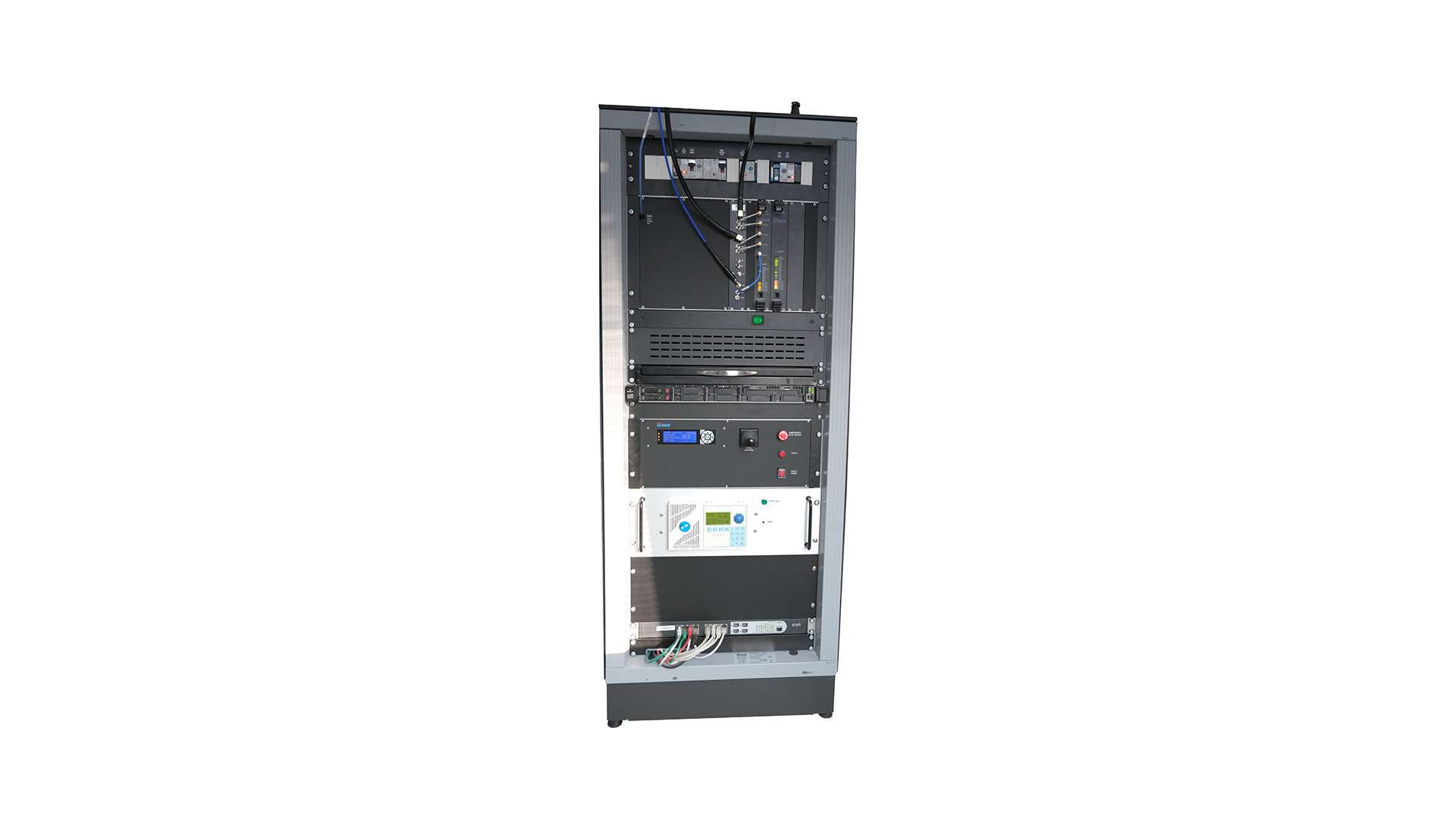
METhe ELDES Radar Data System (E-RDS) can be used to retrofit an existing weather radar system or, coupled with a modern transmitter and antenna control unit, to build a new state-of-the-art weather radar. E-DRS includes a complete Microwave and Digital Receiver (IRX/DRX) and Radar Signal Processor (RSP), a computerized Radar Control Processor (RCP) to control the whole radar system (antenna control unit and transmitter).
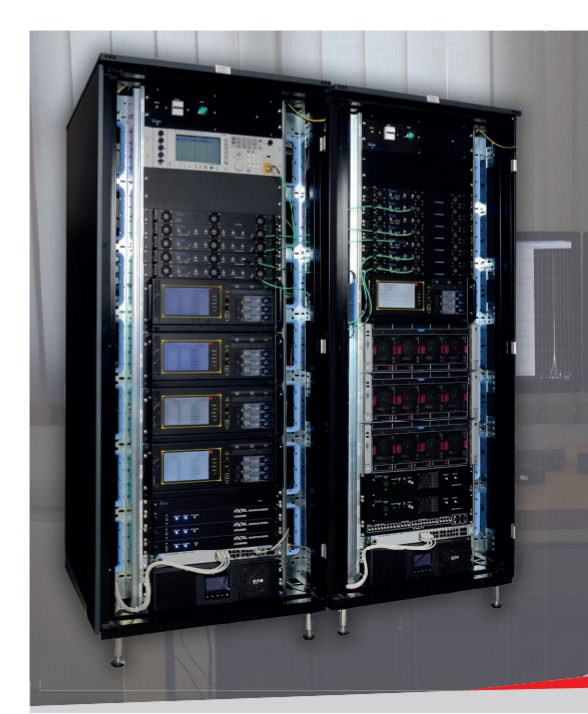
Test the ESM/ECM effects on enemy Radars is to use an Hardware-in-the-loop Programmable Radar Simulator capable to emulate them. This innovation is called E-PRS. The E-PRS can simulate a broad range of Radars, including ground based, airborne, shipborne ones and missile seekers too. The greater test reliability is ensured using a real radar digital receiver, waveform generator and programmable signal and data processor.
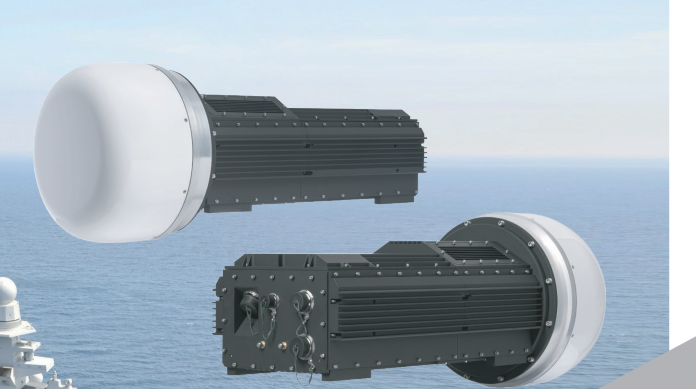
The development of the E-PSS Poseidon in the Avionic version stems from an ELDES in-depth study on the operational requirements generated by a well-known military problem, the Anti-Ship Missiles Threats. As is known, a warship has a large Radar Cross Section and radar-guided AShM are able to exploit it, also their flight profiles make their early detection very difficult.For this reason, warships need an effective protection against these threats and these protection methods must be tested.